

The Spleen

The spleen is an organ found in virtually all vertebrate mammals. It is located in the upper left quadrant of the abdomen. In the average healthy adult it weighs around two hundred grams and it is about the size of a fist.
Pituitary Gland Disorders

The pituitary gland is located at the base of the brain, attached to the hypothalamus, which controls its function and is approximately the size of a pea. Known as the master gland, it produces hormones that control other glands, and has a role in many body functions. The pituitary gland is divided into an anterior lobe and posterior lobe. The anterior lobe is the front portion of the pituitary and hormones secreted by it affect growth, sexual development, skin pigmentation, thyroid function, and adrenocortical function. The posterior pituitary is the back portion of the pituitary, and it secretes the hormone oxytocin which increases uterine contractions and antidiuretic hormone (ADH) which increases reabsorption of water by the tubules of the kidney.
Cirrhosis

Cirrhosis is a chronic condition of the liver characterised by abnormal liver function and structure, as a result of damage caused by inflammation of liver cells. Inflammation and regeneration that is associated with dying liver cells leads to the formation of scar tissue. Surviving cells multiply as they try to replace dead cells, resulting in bundles of newly formed liver cells or regenerative nodules within the scar tissue.
Diabetes

Diabetes, also known as diabetes mellitus, is a group of metabolic diseases which cause a person’s blood sugar or glucose levels to be too high, due to a malfunction in either insulin secretion or the body’s response to insulin. Insulin is a hormone released by the pancreas to normalise glucose levels. When a person has diabetes, either the insulin is not produced by the pancreas, it is not produced in sufficient amounts or the cells of the body such as muscle cells are not very responsive to the insulin and therefore cannot absorb all of the glucose in the blood. These mechanisms can lead to poor regulation of glucose levels, causing elevated blood sugar levels, known as hyperglycaemia. Diabetes is usually a chronic condition meaning a person will have it for life and the impact can be very serious if it is not controlled properly.
Medical Terminology

Medical terminology refers to a special vocabulary used by medical professionals. Far from being used to bewilder those not trained in healthcare, it is an essential aid in consistent communication between medical professionals. Medical terminology is used consistently in medicolegal reporting. This week we are going to look at how medical words are formed, to […]
Aspiration Pneumonia
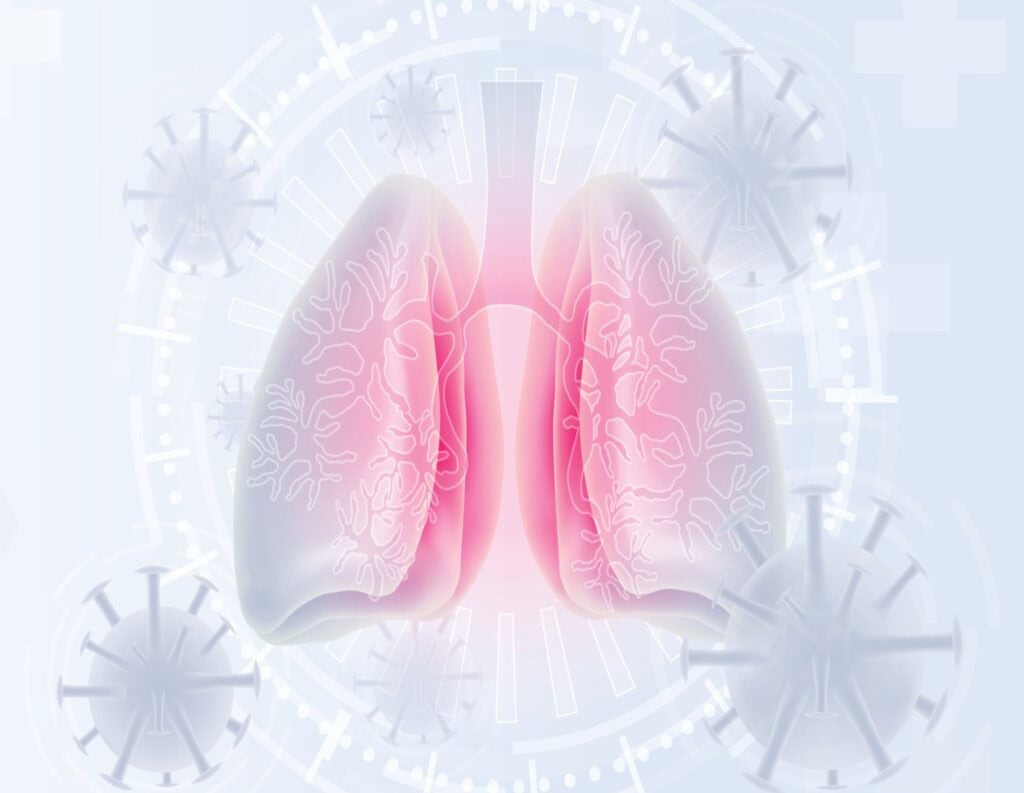
Aspiration pneumonia is inflammation of the lungs and airways caused by breathing in foreign material, either from the mouth or regurgitated from the stomach. The foreign material can be made up of oral or gastric content including food, liquid, vomit, saliva or nasal secretions. This can lead to significant infection in the lung.