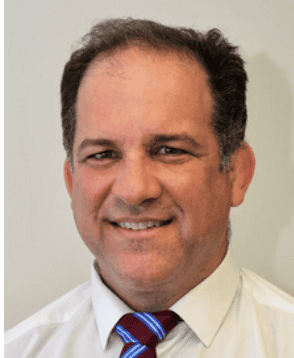
Independent, expert opinion from Brisbane's leading neurosurgeons
When a claim, matter or file needs input from neurosurgeons, Brisbane insurers, legal teams, case managers and government bodies turn to LexiMed. While our consultant neurosurgeons are Brisbane-based, LexiMed coordinates IMEs, file reviews, impairment assessments and expert reports for referrers and patients Australia wide, giving referrers the clinical certainty they need wherever the matter sits.
Training and subspecialty expertise
Because the specialty covers such a wide spectrum of brain conditions and spinal conditions, many consultant neurosurgeons build a subspecialty interest, whether in spinal surgery, paediatric neurosurgery, skull base surgery or peripheral nerve surgery, while remaining trained across the full range of cranial and brain conditions.
To become a fellow of the Royal Australasian College of Surgeons (RACS), an Australian trained neurosurgeon completes over a decade of medical school and neurosurgical training across multiple centres of excellence and more than one university, often in states such as Queensland, New South Wales and South Australia, before they have completed the fellowship required to become a consultant neurosurgeon who undertakes surgery independently. That depth of training is reflected in the calibre of LexiMed’s panel.
What to expect when you engage a LexiMed neurosurgeon
A neurosurgeon’s role in a medicolegal matter is to offer objective, clinically grounded insight that helps lawyers, insurers, regulators and courts understand conditions affecting the brain, spine and nervous system, and how outcomes or complications relate to the issues in dispute.
File reviews and expert advisory opinion
File reviews of medical records, imaging, operative notes, neurological assessment findings and post-operative care documentation, plus advisory input on whether neurosurgical assessment, decision-making and surgical management aligned with accepted standards of practice at the time.
Opinion on diagnosis and treatment
A clear, evidence-based opinion on diagnosis, surgical technique, treatment options considered, disease progression and management of complications.
Independent medical examinations
IMEs where neurological injury, neurosurgical intervention, or a patient’s outcome and recovery are central to the issues being considered, arranged for referrers anywhere in Australia.
Impairment and supplementary reports
Impairment reporting for ongoing functional limitation arising from brain or spinal injury or treatment, plus supplementary reports to clarify or expand an opinion as new information arises.
Expert witness and catastrophic injury support
Expert witness work in civil claims, regulatory matters and inquests, and specialist neurosurgical opinion in matters involving traumatic brain injury, spinal cord injury, complex neurological conditions or catastrophic outcomes.
A defensible, personalised opinion
Every report is grounded in the diagnosis, the evidence and the surgeon’s genuine expertise, giving referrers a clear opinion and the patient personalised care, backed by the best possible outcomes for their life and their claim.
Our process
STEP 1
Referral and booking
Seeing a neurosurgeon for an Independent Medical Assessment at LexiMed requires the referring client to match the matter to the right consultant neurosurgeon. Our client services team is able to assist with
STEP 2
Assessment
The neurosurgeon reviews the relevant records and imaging and, where an IME is required, carries out a neurological assessment covering diagnosis, treatment options and prognosis and permanent impairment when required.
STEP 3
Reporting
A structured medicolegal report is prepared, setting out the diagnosis, opinion and recommendations the referrer needs to move the matter forward.
Based in Brisbane, operating nationwide
LexiMed’s consultant neurosurgeons consult from Brisbane, but our network of medicolegal specialists and medical suites extends across Australia. Referrers in New South Wales, Victoria, South Australia and every other state can arrange a neurosurgical file review, independent medical examination or expert report wherever the matter is located, with the same consistent standard of reporting.
Need a neurosurgeon's opinion for your medicolegal matter?
Contact our team to discuss the scope of your matter, referral requirements and next steps, whether that’s a file review, an independent medical examination or an expert report. Our committed team can confirm availability, consultation timing and appointment details for any of our consultant neurosurgeons.
Frequently asked questions about neurosurgeons in Brisbane
What are the risks associated with neurosurgery?
Like any surgery involving the brain, spine or nervous system, neurosurgery carries risks that vary with the procedure and the patient’s own condition. General surgical risks include infection, bleeding, blood clots and reactions to anaesthesia, while procedure-specific risks can include changes to sensation, movement, speech or memory, cerebrospinal fluid leaks, or swelling around the surgical site. A consultant neurosurgeon discusses the specific risks relevant to a patient’s diagnosis and proposed treatment before any procedure, and in a medicolegal assessment, will consider these risks and how they were explained and managed when forming an opinion on the standard of care provided. Healthdirect Australia is a useful general reference for patients wanting more detail on surgical risk.
What will a neurosurgeon do on the first visit?
At an initial consultation, a neurosurgeon takes a detailed medical history, reviews any imaging such as MRI or CT scans, and carries out a neurological assessment covering strength, sensation, coordination and pain. Based on these findings, the surgeon discusses the diagnosis and outlines treatment options, which may range from conservative management and physiotherapy through to surgery. LexiMed’s consultant neurosurgeons follow a similarly thorough process during an independent medical examination, ensuring findings are clearly documented for the referrer.
Why would I be referred to a neurosurgeon after an MRI?
A referral to a neurosurgeon after an MRI usually means the scan has identified a structural finding in the brain or spine, such as a disc bulge, spinal stenosis, a mass or an aneurysm, that needs expert evaluation. This does not necessarily mean surgery is required; the referral simply ensures a specialist reviews whether the symptoms relate to the imaging finding and advises on the most appropriate treatment options.
What can a neurologist do that a neurosurgeon can't?
Neurologists specialise in the medical diagnosis and non-surgical management of nervous system conditions, such as long-term medication regimens for epilepsy or migraine, or nerve conduction studies, care that falls outside a neurosurgeon’s surgical training. Neurosurgeons and neurologists frequently work together, with a neurologist often managing a patient’s ongoing medical care while a neurosurgeon is consulted specifically where a structural or surgical issue is suspected.
How much does a consultation with a neurosurgeon cost?
Consultation fees vary between specialists and depend on factors such as the complexity of the matter, the location of the appointment, and whether it takes place at a public or private facility, with some costs offset by Medicare depending on the referral pathway. For a specific matter, it’s best to check directly with the neurosurgeon’s practice, as fee schedules differ across Brisbane specialists; for LexiMed-arranged independent medical examinations, our team can confirm costs upfront as part of the booking process.
Is it serious to be referred to a neurosurgeon?
Being referred to a neurosurgeon doesn’t automatically mean a condition is serious or that surgery will be needed. It simply means a GP or another specialist believes the finding warrants assessment by an expert in brain, spine or nerve conditions, and many patients referred for review are managed without ever requiring an operation.
Will I need surgery if I see a neurosurgeon?
Not necessarily. Surgery is generally considered a last resort after conservative treatment options, such as medication, physiotherapy or injections, have been explored, and a large proportion of neurosurgical consultations conclude with a non-surgical management plan rather than an operation.
What happens at a consultation with a neurosurgeon?
During a consultation, the neurosurgeon reviews the patient’s medical history and any imaging, carries out a physical and neurological examination, and discusses the diagnosis together with the range of treatment options, from conservative management to surgical intervention, before agreeing on a plan tailored to the patient.
When should you consult a neurosurgeon?
A referral to a neurosurgeon is generally appropriate when symptoms such as persistent back or neck pain, numbness, weakness, severe or worsening headaches, or an abnormal imaging finding suggest a structural problem in the brain, spine or peripheral nerves that a GP or neurologist believes needs specialist assessment.
What is the difference between a neurologist and a neurosurgeon?
Neurologists and neurosurgeons both diagnose conditions of the brain, spine and nervous system, but only neurosurgeons are trained and qualified to perform surgery. Neurologists generally manage conditions such as epilepsy, migraine and multiple sclerosis using medication and other non-surgical therapies, while neurosurgeons treat structural issues, such as tumours, aneurysms and spinal cord compression, often through surgical intervention, and the two specialties frequently collaborate on a patient’s overall care.